Landfilled food emits methane. One ton of methane has the global warming potential of 25 to 30 tons of CO2. Keeping food out of landfill is the reason the law exists.
Your Scope 3 report needs waste data. Under SB 253, companies with more than $1 billion in revenue doing business in California report Scope 1 and 2 emissions from 2026 and add Scope 3 from 2027. Waste is part of the Scope 3 footprint. The Scope 3 rules are still in CARB rulemaking.
RE:CIRCLE Organics helps grocers, retailers and food producers in Southern California meet SB 1383. We collect your pre-consumer food waste, packaged or loose, separate it from its packaging at our plant in Ontario, California, and turn it into animal feed. Every load is tracked, so you have the records your inspector and your sustainability team ask for.
Why Act Now
Food Waste Is Now a Compliance and Reporting Obligation
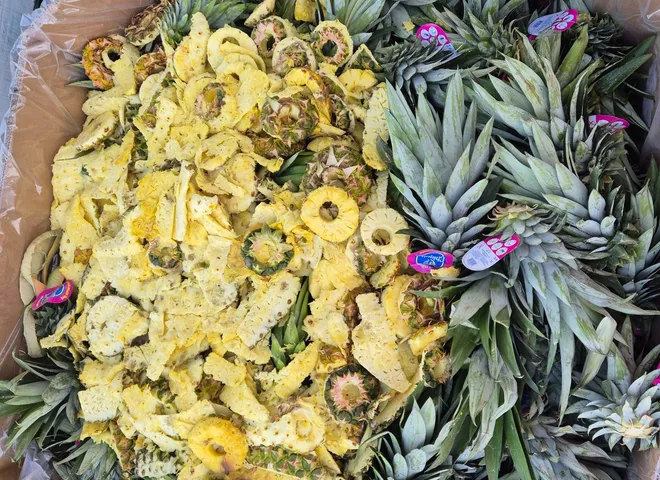
SB 1383 set a 75% cut in landfilled organic waste by 2025, compared with 2014. That deadline has passed, and California cities and counties now inspect commercial generators and can issue penalties.
Donation first, then feed: we take the food that cannot be donated
How It Works
From Your Site to Animal Feed in Four Steps
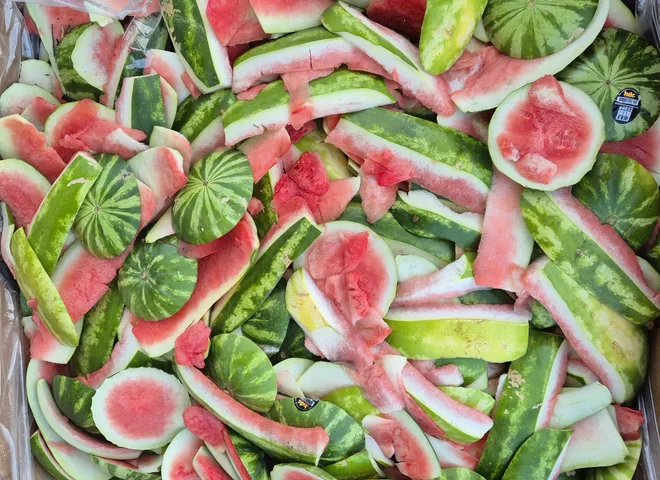
Our own fleet, our own plant and our own lab. Licensed partners take only what cannot become feed.
1. Collect. Our fleet collects your pre-consumer food waste, packaged or loose, in sealed yellow bins at your site.
2. Depackage. At our plant in Ontario, California, we separate the food from its packaging. Packaging goes to recycling or energy outlets.
3. Process into feed. Our lines turn the food into slurry, dewatered and dry feed for cattle and pigs, tested in our in-house lab.
4. Route the rest. Material not suitable for feed goes to anaerobic digestion and energy recovery through licensed partners. Landfill is the last resort.
Sealed, reusable yellow bins at your site
Every Load Tracked With TraceOS
Records for Inspections and Sustainability Reports
You see your waste and emissions data online, per waste category and per location, and get the documents that back up your SB 1383 compliance and your sustainability claims.

Delivery Notification
Confirms that we received the material you supplied

Diversion Notification
Shows which quantity of your material went to which outlet

Repurposing Certificate
Optional: confirms that your material was repurposed

Sustainability Claim
Optional: a report on the carbon footprint savings from your material
Highest Value
Feed First: the Highest Value for Your Food Waste
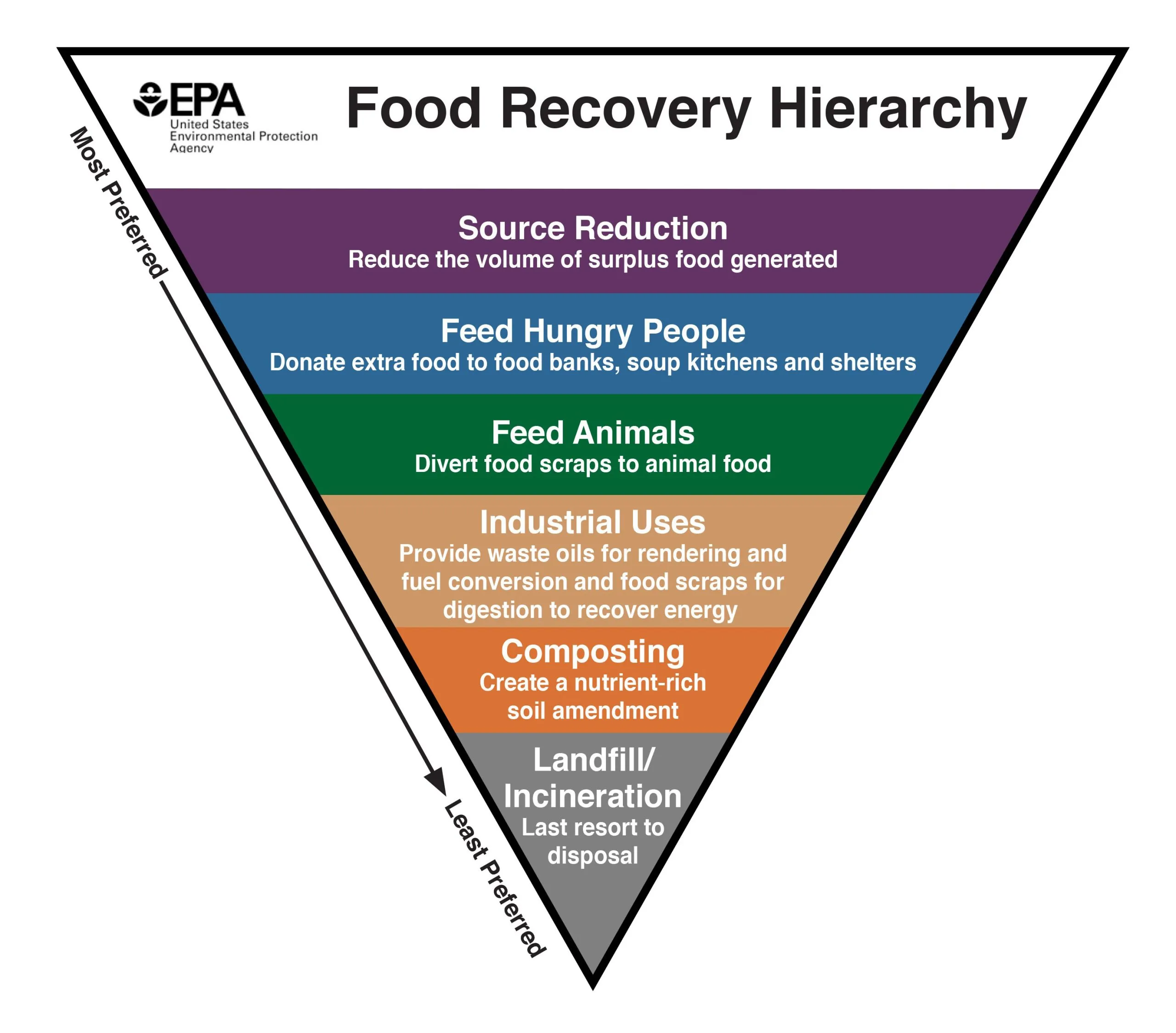
The U.S. EPA ranks feeding animals right after reducing waste at the source and feeding hungry people, and ahead of energy recovery and composting.
Our nutrition experts test inbound material in our in-house lab and blend it into feed for beef and dairy cattle and for pigs.
In 2026 we surpassed 90% diversion of the pre-consumer food waste we receive.
In 2026 we surpassed 90% diversion of the pre-consumer food waste we receive.
Licensed commercial feed manufacturer with the California Department of Food and Agriculture
SEALED YELLOW BINS, NO LINERS
- A lid seals the bin and keeps odor and pests inside.
- No plastic liner and no pallet needed. Built-in runners work with a forklift or pallet jack.
- Sealed HDPE construction holds the liquid from wet food waste.
- Stackable, so you use storage and trailer space better.
- Washed and dried before every return, and pathogen tested quarterly by a third party.
QUESTIONS
What does SB 1383 require from my business?
SB 1383 set a target to cut the organic waste California sends to landfill by 75% by 2025, compared with 2014. That deadline has passed. Cities and counties now inspect commercial businesses that generate organic waste and can issue penalties. Your hauler or your local jurisdiction can tell you which rules apply at your sites.
Do we still need to donate edible food?
Yes. Donation comes first. We take the pre-consumer food that cannot be donated and turn it into animal feed and renewable energy feedstock.
Can you take packaged food?
Yes. We collect food waste packaged or loose. We separate the food from its packaging and send the packaging to recycling or energy outlets.
Why animal feed instead of composting?
On the U.S. EPA Wasted Food Scale, feeding animals ranks right after prevention, donation and upcycling, and ahead of anaerobic digestion and composting. It keeps the food's nutrients in the food chain.
What records do we get for compliance and Scope 3 reporting?
Every load is tracked with TraceOS from delivery to its outlet. You get online access to your waste and emissions data, delivery and diversion notifications, and on request a repurposing certificate and a carbon footprint report.
Where are you located?
Our processing site is at 170 N Turner Ave, Ontario, California, next to Ontario International Airport and about 40 miles east of downtown Los Angeles.
NEXT STEP: A WASTE STREAM ASSESSMENT AT YOUR SITE
We review your volumes, packaging mix and compliance exposure, then propose a feed-first outlet and a collection plan.